
Ace Blinds Guide to Choosing Blinds That Last
Blinds that last begin with more than a strong-looking material. The blind must suit the room, fit the window correctly and cope with the way it will be used every day.
A blind in a quiet guest bedroom faces very different demands from one beside a busy kitchen sink, on a frequently opened patio door or in a family living room. That is why there is no single blind that is automatically the longest-lasting choice for every home.
The most reliable approach is to match the blind to the window, room and household. Accurate measuring and professional fitting can also prevent avoidable problems such as snagging, uneven movement or unnecessary strain on the controls.
Ace Blinds supplies and fits made-to-measure blinds in Derry and across the North West. With free measuring, free estimates and expert fitting available, local homeowners can compare suitable options before deciding what to buy.
What Makes Blinds That Last?
Durability is the result of several factors working together.
A well-made blind may still disappoint if it is installed in the wrong environment. Equally, a practical blind can suffer unnecessary wear when it is poorly measured, obstructed by a handle or repeatedly pulled at an angle.
When comparing blinds, consider:
The material and overall construction
The quality and smoothness of the operating mechanism
The amount of moisture, steam and condensation in the room
How much direct sunlight reaches the window
How frequently the blind will be opened or adjusted
Whether the blind will be fitted to a window or door
The presence of children or pets
How easily the surface can be maintained
The accuracy of the measurements
The quality of the installation
No blind is indestructible. However, choosing the correct specification and treating the controls carefully can make a meaningful difference to its useful life.
How to Choose Blinds That Last for Every Room
The best place to begin is with the room rather than a colour chart. Think about what happens around the window and what the blind must handle.
Living rooms
Living-room blinds often need to balance appearance, privacy and flexible light control. They may be adjusted several times each day as the position of the sun changes.
Before choosing, consider whether the window faces a busy street, receives strong afternoon light or sits behind furniture. A blind that is easy to reach and operate is less likely to be pulled awkwardly.
Venetian, faux wooden, roller and vertical blinds can all work in living areas. The right choice depends on the size of the window and how precisely you want to control daylight.
Bedrooms
Bedroom blinds should provide the level of privacy and light control needed for comfortable rest. A bedroom used every night may require a different solution from an occasional guest room.
If darkness is important, ask about the current blackout options available for the blind style you prefer. Remember that fabric choice and installation both affect the final result. Even a blackout material may allow some light around the edges, depending on how and where the blind is fitted.
A properly measured roller blind can provide a clean, uncluttered bedroom finish. Other styles may be preferable when adjustable privacy is the main concern.
Kitchens
Kitchen blinds may be exposed to steam, condensation, cooking residue and frequent handling. This makes maintenance and room suitability especially important.
Choose a surface or fabric designed for the conditions around that particular window. A blind above a dining area will not experience the same environment as one beside a sink or hob.
Ask whether the proposed material is suitable for moisture and whether it can be cleaned using a simple, non-abrasive method. Avoid assuming that every fabric, wooden finish or slatted product can be cleaned in the same way.
Bathrooms
Privacy is normally the first concern in a bathroom, but moisture suitability should be considered at the same time.
Natural-looking materials can be attractive, but appearance alone should not determine the decision. Ask Ace Blinds to confirm which current products and finishes are suitable for the expected humidity and condensation.
Regular ventilation also matters. Even a suitable blind should not be left continually wet or pressed against condensation-covered glass.
Patio doors and wide windows
Large glazed areas require a blind that can cover the opening without becoming awkward to operate.
Vertical blinds are a popular option for larger windows, patio doors and commercial spaces. Their adjustable vanes provide flexible control over light and privacy.
The track must be correctly sized and positioned. Furniture should not block the vanes, and the blind should be fully clear before the door is opened. Thoughtful fitting can reduce twisting, snagging and accidental damage.
Conservatories and glazed doors
Blinds fitted to opening doors and windows need to work with the frame rather than getting in its way.
Perfect Fit blinds sit within a frame that moves with compatible uPVC windows and doors. This integrated arrangement can be useful in conservatories and on glazed doors where a freely hanging blind might move whenever the door is used.
Window compatibility should always be checked before ordering.
Roof windows
A roof window requires a blind designed for its angle and dimensions. Trying to adapt a standard window blind may lead to poor coverage, difficult operation or a loose fit.
VELUX blinds are intended for roof windows, lofts and skylights. Checking the window model and measurements before ordering helps ensure that the selected blind is suitable.
Which Blind Styles Should You Consider?
Different styles have different strengths. The most durable choice is the one that meets the practical demands of the window without being difficult to use.
Roller blinds
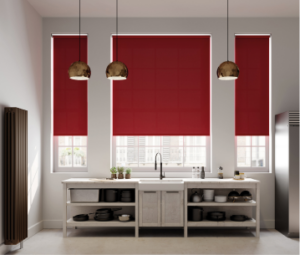
Roller blinds have a simple, clean appearance and can suit bedrooms, kitchens, living rooms and offices.
Their long-term performance depends on factors including the fabric, width, operating mechanism and installation. A roller blind should travel smoothly and remain clear of handles and objects on the windowsill.
Do not pull the fabric itself to operate the blind. Use the intended control and avoid continuing to pull if the blind meets resistance.
Explore the available roller blinds from Ace Blinds.
Faux wooden blinds
Faux wooden blinds provide the appearance of wood with a practical finish. Their adjustable slats allow daylight and privacy to be controlled without raising the entire blind.
They are particularly useful for customers who want a structured finish that can be maintained regularly. However, product specifications can vary, so suitability for humid or high-condensation rooms should be confirmed before ordering.
When cleaning slatted blinds, support the slats and use light pressure. Rough handling can place unnecessary stress on the slats, cords and supporting ladder system.
See the current range of faux wooden blinds.
Venetian blinds
Venetian blinds are another strong option when adjustable privacy and light control are priorities. The slats can be tilted as the light changes throughout the day.
Although this flexibility is useful, the slats should not be forced or bent. Raise or lower the blind only as instructed, and make sure items on the windowsill cannot catch underneath it.
Discover Venetian blinds in Derry.
Vertical blinds
Vertical blinds are well suited to wide windows, patio doors and workplaces. They can cover a large area while still allowing the light direction to be adjusted.
For reliable operation, allow the vanes to rotate into the correct position before drawing them across the track. Pulling them while they are turned against one another can create avoidable resistance.
Correct measurements are particularly important on a wide opening. The finished blind needs enough clearance to move without scraping the floor or catching surrounding furniture.
View the vertical blind range.
Perfect Fit blinds
Perfect Fit blinds can be a practical option for compatible uPVC doors and windows. Because the framed blind moves with the opening section, it can provide a tidy solution in a busy area.
This does not mean the system will suit every frame. Window construction, handles and available clearance must be assessed first. A professional measurement helps identify whether Perfect Fit is appropriate.
Find out more about Perfect Fit blinds.
VELUX blinds
VELUX blinds are designed for roof windows where an ordinary blind would not operate correctly.
Using a product matched to the roof-window model is important. It helps the blind sit in the intended position and move along the window correctly.
Before requesting a quotation, look for the identification plate or model information on the roof window. Ace Blinds can advise what other details may be required.
Explore VELUX blinds.
Why Made-to-Measure Blinds Can Last Better
A made-to-measure blind is produced for the dimensions of a particular window. This removes the need to force a standard-sized product into an unsuitable space or make compromises around nearby handles and fittings.
Accurate measurements can help prevent:
Fabric rubbing against the recess
Slats catching the windowsill
Controls being placed awkwardly
A blind hanging unevenly
Excessive gaps caused by an unsuitable size
Doors or windows striking the blind
Unnecessary stress during operation
Measurements are only one part of the process. The installer must also assess the surface, available clearance, opening direction and safest operating position.
Ace Blinds provides free measuring and expert fitting across Derry and the North West. This gives customers an opportunity to discuss the room, window and expected level of daily use before selecting a product.
What Can Shorten the Life of a Blind?
Many common problems are caused by the blind’s environment or how it is used.
Choosing appearance without considering the room
A beautiful blind can still be the wrong blind for a damp, greasy or heavily used space. Consider maintenance and environmental suitability before deciding on colour and finish.
Forcing the controls
If a blind suddenly becomes difficult to move, stop. Continuing to pull may turn a small obstruction into a damaged mechanism.
Check whether the blind is caught on a handle, ornament, plant, piece of furniture or part of the window.
Pulling at an angle
Operating a blind from the side can cause uneven movement. Use the controls from the intended position and apply steady pressure.
Allowing pets to reach it
Low-hanging fabric, slats and moving vanes can attract curious pets. Keep furniture away from the blind if it gives an animal easy access to the window.
Using unsuitable cleaning products
Strong chemicals, abrasive sponges and excessive water may affect certain materials or finishes. Follow the recommended care instructions for the specific product.
Ignoring condensation
Wipe condensation from the glass and ventilate the room. Do not leave the blind pressed against a wet window for prolonged periods.
Obstructing a door blind
Before opening a patio or glazed door, make sure the blind is positioned correctly. Repeatedly catching a blind in a door can damage both the material and its fittings.
How to Care for Blinds That Last
Simple, regular maintenance is usually more useful than occasional aggressive cleaning.
Dust slats and surfaces frequently using a soft cloth, suitable duster or a vacuum cleaner on a low setting with the appropriate attachment. Work gently and support individual slats where necessary.
For marks or residue, follow the care guidance provided for the blind. A method that is appropriate for one material may not be safe for another.
Good everyday habits include:
Operating the blind with steady, controlled movements
Keeping the window area clear
Removing dust before it becomes heavily ingrained
Drying condensation and ventilating humid rooms
Avoiding sharp objects near the fabric or slats
Checking that doors and windows can open freely
Teaching household members how to use the controls
Asking for advice if the blind begins moving unevenly
If a blind starts catching, leaning or becoming difficult to operate, investigate early. Repeated force is rarely a good solution.
A Quick Room-by-Room Buying Guide
Room or window | Main durability concern | Options to discuss |
Living room | Frequent adjustment and sunlight | Venetian, faux wooden or roller blinds |
Bedroom | Privacy and control of early light | Roller blinds and suitable blackout options |
Kitchen | Steam, residue and regular cleaning | Suitable wipe-clean roller or slatted options |
Bathroom | Humidity, condensation and privacy | Confirmed moisture-suitable products |
Patio door | Wide coverage and frequent movement | Vertical blinds |
uPVC glazed door | Movement with the opening frame | Compatible Perfect Fit blinds |
Conservatory | Multiple windows and daily operation | Perfect Fit or other carefully specified blinds |
Roof window | Angled fitting and model compatibility | VELUX blinds |
Office | Glare, practicality and repeated use | Roller, vertical or Venetian blinds |
Rental property | Maintenance and straightforward operation | Practical, correctly fitted options suited to each room |
This table is a starting point, not a substitute for checking the window and the product specification.
Seven Questions to Ask Before Buying
Before choosing your blinds, ask:
Is this material suitable for the room?
How frequently will the blind be operated?
Is the surface straightforward to maintain?
Will the blind clear handles, furniture and doors?
Does the window receive strong direct sunlight?
Is the blind being professionally measured and fitted?
What care does this particular product require?
These questions help shift the decision away from the lowest initial price and towards long-term value.
A cheap blind is not necessarily poor, and an expensive blind is not automatically suitable. The better investment is the product that fits correctly, performs the required job and can cope with its surroundings.
Why Derry Homeowners Choose Local Advice
Buying from a local blinds company gives you the opportunity to discuss the actual window rather than trying to make a decision from photographs alone.
Ace Blinds has served domestic and commercial customers in Derry and the North West for more than 20 years. Its service includes made-to-measure products, free measuring, free estimates and expert fitting.
Customers can use the Ace Blinds gallery to see previous installations and explore how different blind styles look in real spaces.
You can also view the location and business listing for Ace Blinds Derry.
Frequently Asked Questions
Which type of blind lasts the longest?
There is no single answer for every window. Material, construction, room conditions, fit, frequency of use and maintenance all affect durability.
A practical slatted blind may suit a busy living area, while a roller blind may offer a simpler solution elsewhere. Wide doors, roof windows and compatible uPVC frames each create different requirements.
Are made-to-measure blinds more durable?
Made-to-measure blinds are not immune to damage, but accurate sizing can reduce several sources of unnecessary wear. A properly fitted blind is less likely to scrape, catch or operate unevenly because it is the wrong size.
The material must still suit the room, and the blind must be used and maintained correctly.
What blinds should I choose for a kitchen or bathroom?
Look for a product specification suitable for the expected moisture, condensation and cleaning requirements.
Do not assume that every faux-wood product, roller fabric or Venetian finish has identical properties. Ask the supplier to confirm suitability for the precise location.
How often should blinds be cleaned?
Light, regular dusting can prevent dirt from becoming difficult to remove. The exact cleaning method depends on the material and finish.
Always follow the care instructions for the chosen product. Avoid excessive water, harsh chemicals or abrasive tools unless the manufacturer specifically permits them.
Are cheaper blinds a false economy?
Not always. Price alone does not determine value.
However, the lowest-priced standard blind may become poor value if it does not fit properly, cannot cope with the room or needs to be replaced prematurely. Compare suitability, measuring, installation and maintenance as well as the initial cost.
Can Ace Blinds measure my windows?
Yes. Ace Blinds advertises free measuring, free estimates and expert fitting for customers across Derry and the North West.
How do I request advice or a quotation?
Visit the Ace Blinds free quote page or contact Ace Blinds to discuss your windows, preferred style and practical requirements.
Choose Better-Fitting Blinds for Your Home
Blinds that last are chosen with the room, window and household in mind. A suitable material, accurate measurement, careful installation and straightforward maintenance all contribute to better long-term value.
If you are replacing damaged blinds, renovating a property or fitting out a new home, Ace Blinds can help you compare suitable made-to-measure options.
Request a free quote from Ace Blinds and arrange professional measuring for your home in Derry or the North West.